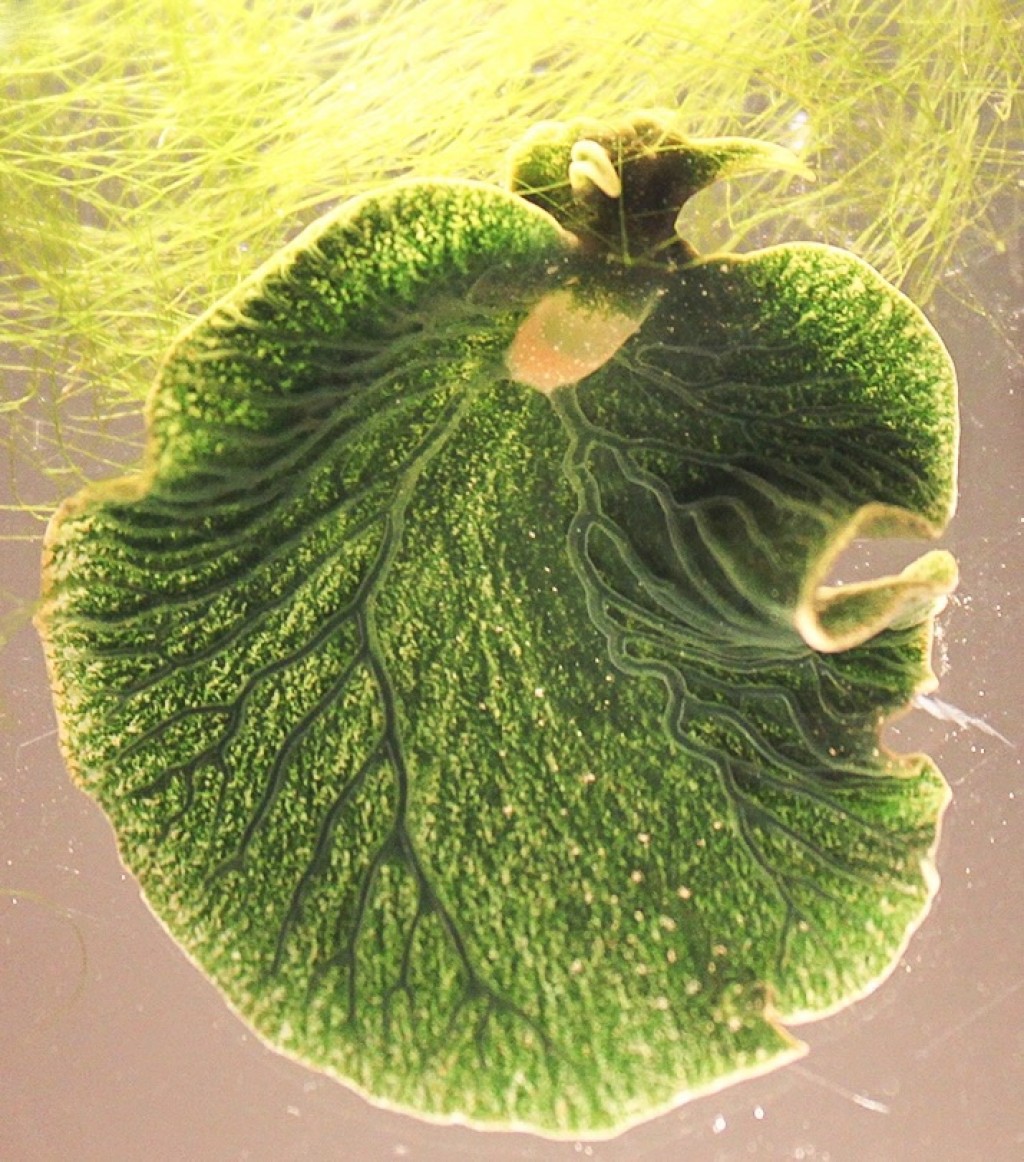
Salvia divinorum is a relative of common sage native to Mexico. It’s also known as magic mint or seer’s sage and its Latin name can translate into “sage of the ghosts.” The plant has a long history of use in traditional Mazatec ceremonies and more recently is used recreationally.
The experiences people report after smoking salvia extracts are some of the strangest changes in perception Ive come across. There are reports of people experiencing themselves as inanimate objects like french fries, fresh paint, or even a pant leg.
Something I find fascinating about these experiences is how different they are from what we typically associate with psychedelics like LSD or mushrooms. Rather than primarily changing how someone perceives the world around them, salvia can completely change their perception of themselves. Some people describe what feels like living an entire lifetime as an apple or a book.
I’ve been trying to understand how something like this might happen and that has led me to look more closely at how the brain creates our ordinary sense of self. We tend to experience ourselves as a single, continuous person located somewhere inside our body. But this experience depends on the brain bringing together information from our senses, memories, and internal bodily signals.
One model describes the self as having two main components.
The first is the minimal self, which is our immediate sense of existing as an individual in the present moment. It’s what makes you feel like your body belongs to you, that you’re the one controlling its movements, and that you’re experiencing the world from a particular place. When you reach out to pick something up you don’t have to consciously think about which hand is yours or whether you’re the one moving it. Your brain has already tied all of that information together for you.
The second is the narrative self, which is more about our personal identity and how it continues through time. It’s built from our memories, experiences, and the stories we tell ourselves about who we are. It’s what allows you to remember being a child, recognize yourself as the same person today, and imagine who you might become in the future.
These two parts normally work together giving us the experience of being a single person with a particular body, identity, and history.
But our sense of self isn’t really as stable as it feels. One way it can be disrupted is through dissociation, where a person feels disconnected from their body, surroundings, or their own identity. Drugs like ketamine, an anesthetic used in medicine, and salvinorin A, the main psychoactive compound in salvia, can produce these effects.
Our sense of body ownership can be manipulated pretty easily. A famous illusion called the rubber hand illusion involves hiding a person’s real hand (under a desk or behind a mirror) while placing a rubber hand in front of them. When both hands are stroked at the same time (with a feather or stick) people can begin to feel as though the rubber hand belongs to them.
Interestingly drugs like ketamine can make this illusion stronger. In a 2011 study researchers gave ketamine to 15 healthy volunteers and found that it increased their sense of ownership over the rubber hand.
Normally the illusion becomes weaker when the two hands are stroked at different times. Under ketamine, the illusion was still stronger than under placebo even when the timing didn’t match. The participants could still use the timing of the sensations to distinguish between the two conditions but were more willing to accept the rubber hand as part of their body despite the conflicting information.
Even something as fundamental as knowing what belongs to our own body is something the brain has to actively figure out and ketamine appears to make that easier to mess with.
Coming back to salvia, salvinorin A works differently from ketamine and classical psychedelics like LSD or psilocybin. Ketamine primarily blocks receptors involved in glutamate signaling (NMDA receptors) while classical psychedelics mainly activate serotonin receptors (5HT2A). Salvinorin A instead activates kappa opioid receptors which are part of the brain’s natural opioid signaling system.
Despite these differences all three can produce significant changes in how people experience themselves and their surroundings. This suggests that they may be interfering with some of the same processes in the brain. Disrupting our ordinary sense of self is one thing, but how does that disruption lead to the experience of becoming something entirely different?
I suspect there might be more to these weird experiences than just distorted sensory information. Our brains already have a lifetime of experience with different objects including memories of how they look, feel, and behave. Maybe when our normal sense of self is disrupted the brain begins using that information to construct an entirely different first person experience.
Someone who feels like they’ve become a book might experience pages flipping, words printed across them, or the sensation of being opened and closed. And these wouldn’t necessarily need to come from anything happening around them. The brain could be drawing on what it already knows about books to create the [pseudo]sensation. That new identity could even feel as though it had always existed despite only being created moments earlier.
There isn’t currently any evidence showing that this is what happens. It’s also possible that something similar to what happens when we dream is involved since our brains can create some pretty bizarre experiences while we’re asleep. And just because ketamine and salvinorin A produce some similar effects doesn’t necessarily mean they’re disrupting the same neural processes.
That said, it is wild to me that the brain can produce such a convincing experience of being something as absurd as a wall or a piece of furniture. If we could understand those mechanisms well enough, could we control them and intentionally curate impossible experiences? Being able to manipulate individual parts of our conscious experience might help us understand how they fit together in the first place.
This may evolve into a series as I learn more about the neural circuits involved in our sense of self, how different drugs might affect them, and refine my Salvia hypothesis.
Image from r/salvia